Paragliding vs. skydiving: a comparison
Paragliding and skydiving are both unforgettable ways to experience the sky. They’re often grouped together as extreme sports, but if you’re thinking about booking a tandem flight or just curious about how they compare, it’s important to know how different they really are.
This post breaks it down in a simple way. It draws on personal experience – years of paragliding and one tandem skydive – as well as what I’ve learned from talking with other pilots and instructors over the years. It’s written for anyone thinking about trying one of these sports, whether you’re looking for a one-time thrill or curious about what makes each experience special.
The feeling
The first big difference is how each one feels in the air.
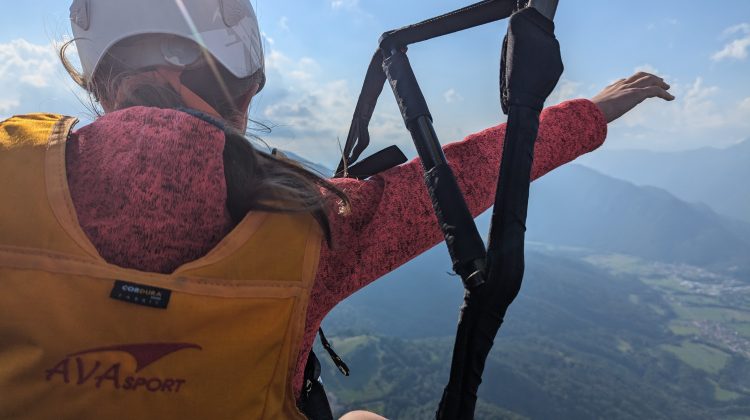
Paragliding feels smooth, quiet, and free. You launch gently from a hill or mountain, then float through the sky with your instructor. You can look around, relax, and take in the views. It’s peaceful – almost like flying in a dream. Many people are surprised at how calm it is.
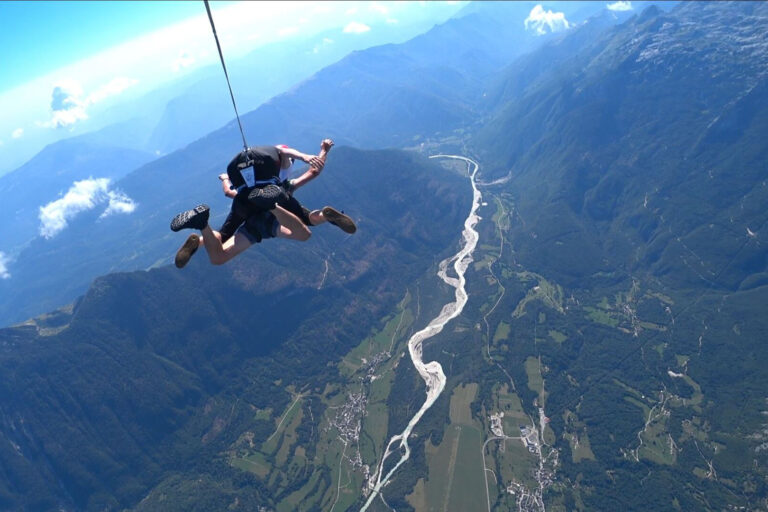
Skydiving is intense from the start. You’re in a plane, climbing up to around 4,000 meters. The door opens, and the wind rushes in. Then you jump. The freefall is loud, fast, and full of adrenaline. After about a minute, the parachute opens, and things slow down a bit. You glide down for a few more minutes and land.
So: paragliding is calm and scenic, while skydiving is fast and thrilling. That said, paragliding also has the option to do high-speed, high-G maneuvers that can give quite a rush if you’re up for it.
Control
In tandem flights, your instructor is always in control, whether you’re paragliding or skydiving. But the type of control and how it feels are a bit different.
In tandem paragliding, your instructor can steer the glider in different directions, catch thermals to stay up longer, or do gentle turns and spirals if you’re up for a little excitement. You’re sitting comfortably – paragliding harnesses are often called the most comfortable seats in the world, and it’s easy to see why. You can talk, enjoy the view, and in some cases, even try steering for a moment. Most people don’t experience vertigo in the air, even if they do when looking down from a mountain or tall building. This is because you’re sitting comfortably with a clear view of the horizon, which helps keep your balance and calm.
Skydiving is intense from the start. You’re in a plane, climbing up to around 4,000 meters. The door opens, and the wind rushes in. Then you jump. The freefall is loud, fast, and full of adrenaline. After about a minute, the parachute opens, and things slow down a bit. You glide down for a few more minutes and land. For me, the view was so unreal and out of the ordinary that vertigo wasn’t present. Even though I do experience vertigo when hiking and looking down a mountain, the sensation in the air and when looking out from the plane felt completely different.
Paragliding gives more space to explore the air, while skydiving gives you that big, dramatic moment.


Duration
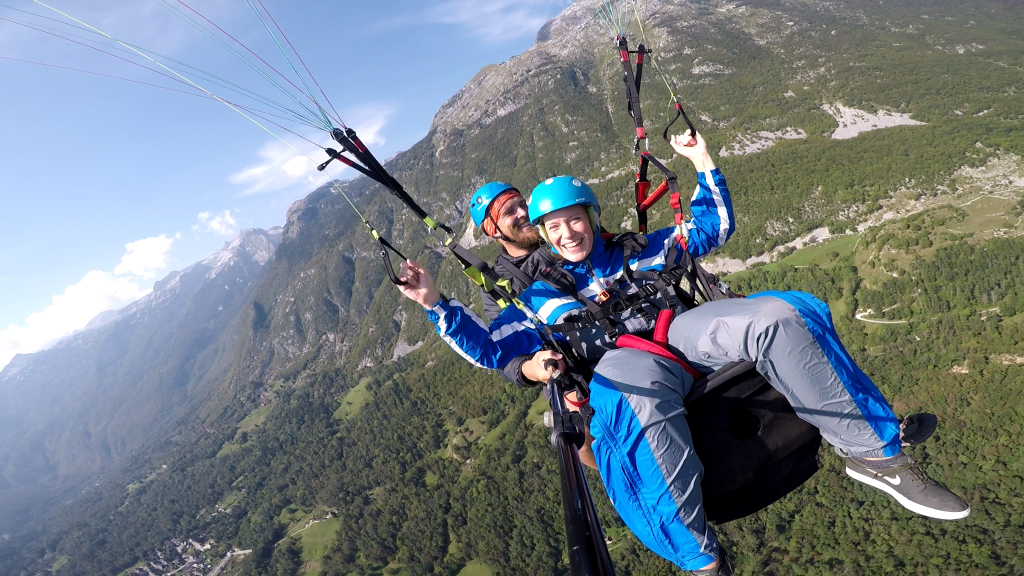
Paragliding gives you more time in the sky. A tandem flight usually lasts between 15 to 30 minutes, depending on the weather and location. On a good day, it can be even longer. You have time to settle in and enjoy the view.
Skydiving is much shorter. The freefall lasts around 45 to 60 seconds, and the parachute ride takes about 5 minutes. From plane to landing, the whole thing takes less than 10 minutes.
If you’re looking for a longer flight and more time to enjoy being airborne, paragliding is the better choice.
Cost
While both experiences can vary depending on location and extras like photos or videos, paragliding tends to be the more budget-friendly choice overall. A tandem skydive usually costs a bit more, partly due to the aircraft and equipment involved. If you’re planning to try it just once, both are worth it. But if you think you might go again – or turn it into a hobby – paragliding can be the more affordable way to keep flying.
Learning curve
Tandem flying doesn’t require any experience. For both paragliding and skydiving, your instructor handles everything – so all you have to do is show up, listen to a short briefing, and enjoy the ride. In paragliding, you will need to run for a few meters to help the glider lift off, so passenger cooperation is key for a smooth and safe takeoff.
If you ever decide to continue beyond tandem and learn to fly solo, here’s what to expect:
- Skydiving: You can start solo jumping after a few tandem jumps, then go through an AFF (accelerated freefall) course. You’ll be jumping from planes with instructors at first. Most people become licensed skydivers after 20–30 jumps.
- Paragliding: Solo training starts with ground practice (learning how to control the wing on the ground), followed by short flights. You work your way up to higher launches and longer flights. The learning takes more time, but many people find it more approachable because there’s no freefall.
For those interested in becoming pilots, paragliding offers a more relaxed and gradual path.
Safety
Safety is always the biggest concern, and rightly so.
Skydiving looks more dangerous because of the altitude and speed – but it’s actually very safe when done with professional instructors. Tandem skydiving has a great safety record, with strict procedures, backup parachutes, and experienced jumpmasters.
Paragliding is also very safe in tandem. Professional pilots only fly in good weather conditions, use certified equipment, and follow detailed safety checks. It’s quieter and slower, but still requires skill to manage the wind and land safely.
Both sports carry some risk – like any adventure activity – but tandem flights are carefully controlled and designed to be as safe as possible.
Convenience
Skydiving needs a plane, a team, and a specific location – usually a designated drop zone. That means planning ahead, driving out, waiting for the weather and aircraft, and going up in groups. It’s more of an event.
Paragliding is more flexible in terms of setup, but it is more sensitive to weather conditions. Wind speed and direction need to be just right for a safe and enjoyable flight. Even small changes in the weather can mean waiting or rescheduling. That said, when the conditions are good, it can be quick to organize and enjoy a flight with stunning views.
Paragliding is more flexible. Many scenic locations around the world offer tandem flights from nearby hills or mountains. You can hike up or take a lift, and with good wind, you’re off the ground in minutes. It’s often quicker and easier to fit into your day.
If you’re traveling and want a spontaneous flight with great views, paragliding is more convenient.
Final thoughts
Skydiving and paragliding both give you incredible ways to experience the sky, but they do it in very different ways.
- Skydiving gives you the big moment: a fast, unforgettable jump with a huge adrenaline rush.
- Paragliding gives you time: a quiet, scenic flight where you can enjoy the landscape and feel like you’re really flying.
If you’re chasing thrills, skydiving is hard to beat. If you’re after beauty, calm, and connection with nature, paragliding is the way to go.
And if you’re just curious about both? Try each once. You’ll remember them forever—and you might just find that one of them pulls you back for more.